logo
logo
  • About
    • About Us
    • Visit Us
    • Ways to Give
    • Ambassador Program
    • Award Recipients
    • Contact Us
    • Tackle Inquiry
  • Collections & Exhibitions
    • Our Collection
    • Current & Past Exhibitions
    • Online Collections
    • The Stream
    • Commemorative Tackle
  • Journal & Film
    • The American Fly Fisher
    • Traver Award
    • Film Projects
    • Fishing The Collection
    • Online Screening Room
    • Webinars
  • News & Events
  • Online Store
  • Membership
    • Member Portal
    • Become a Member
  • Sign Up
  • Search

Nottingham-Style Reel

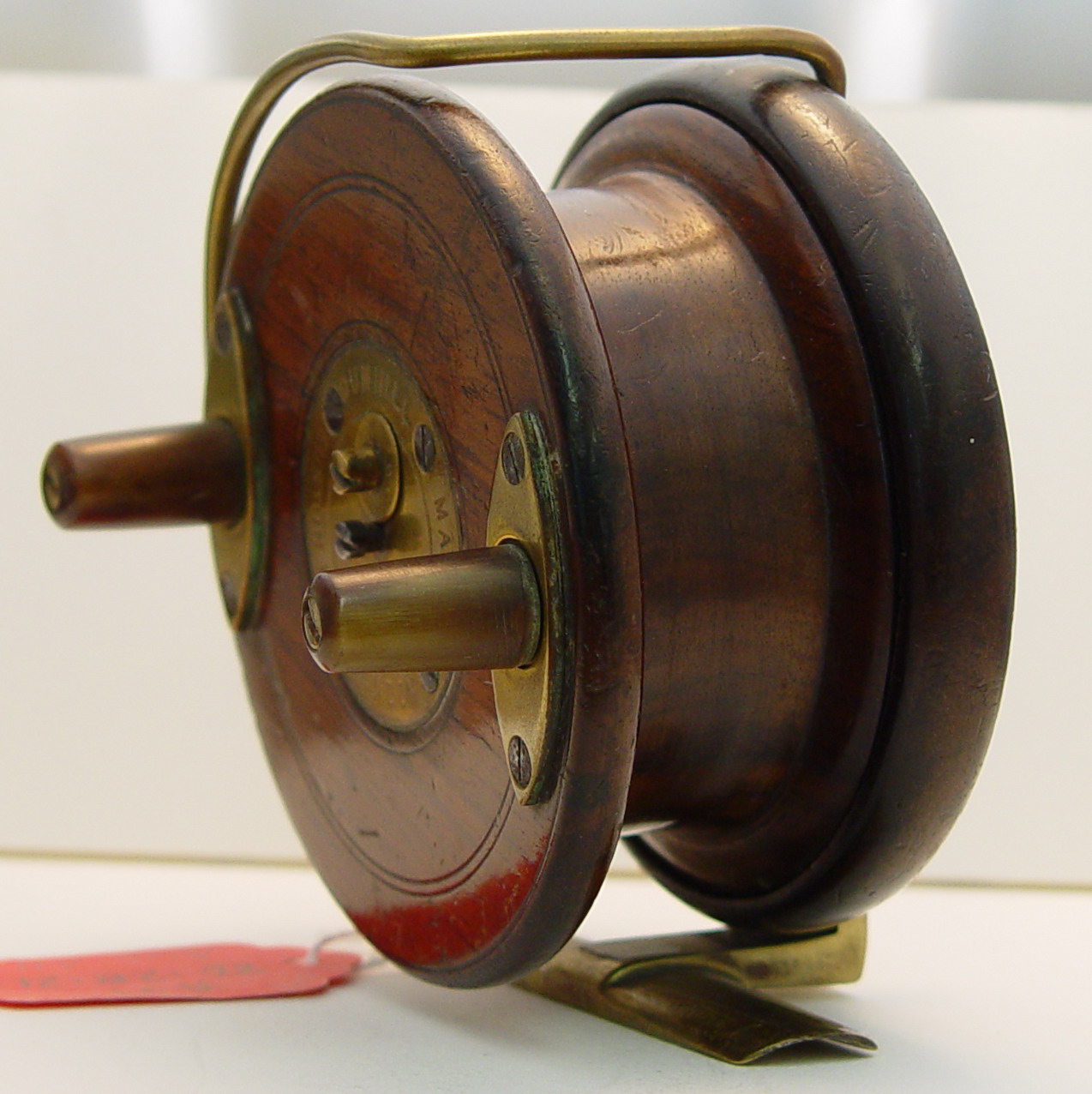
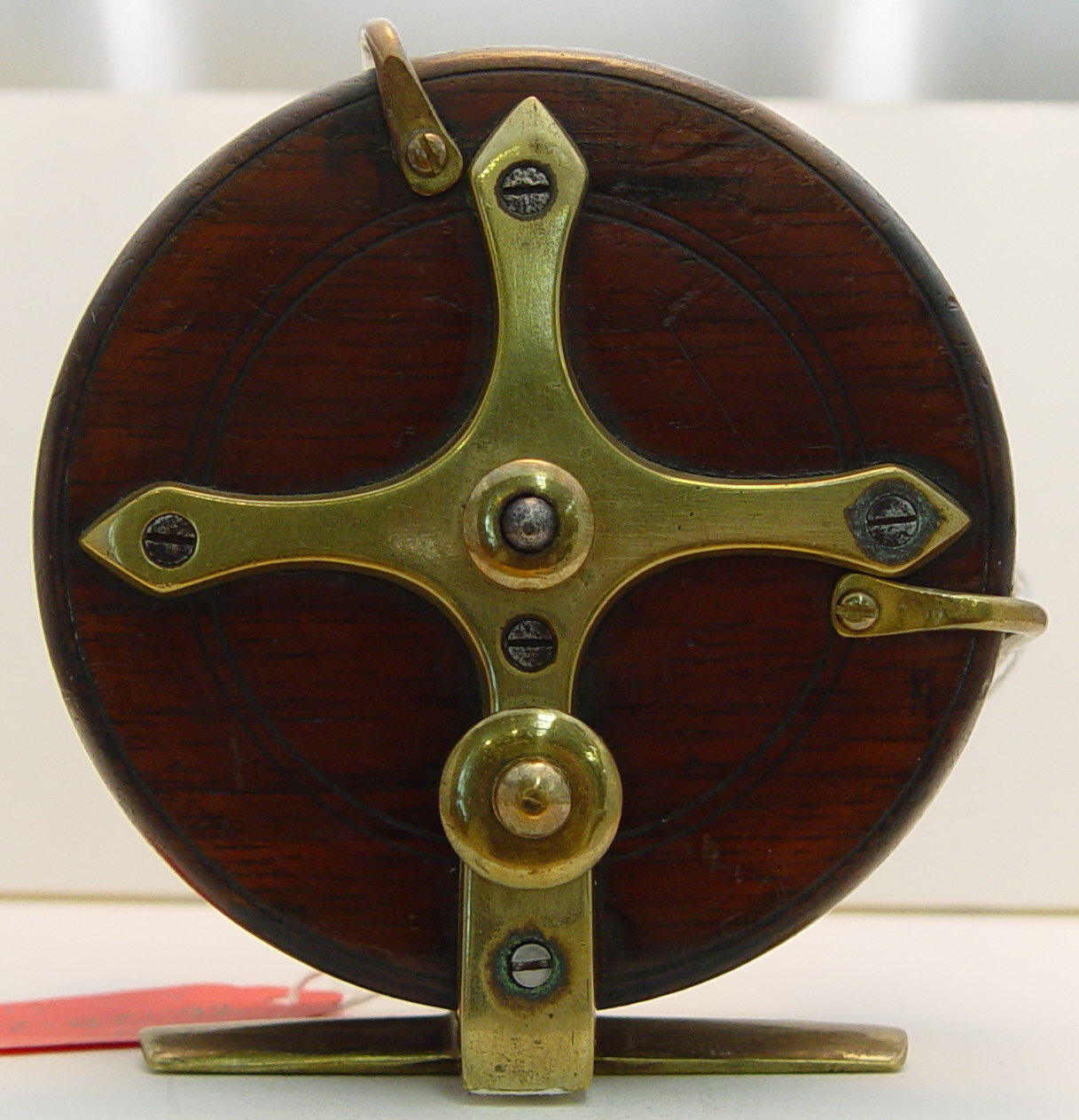
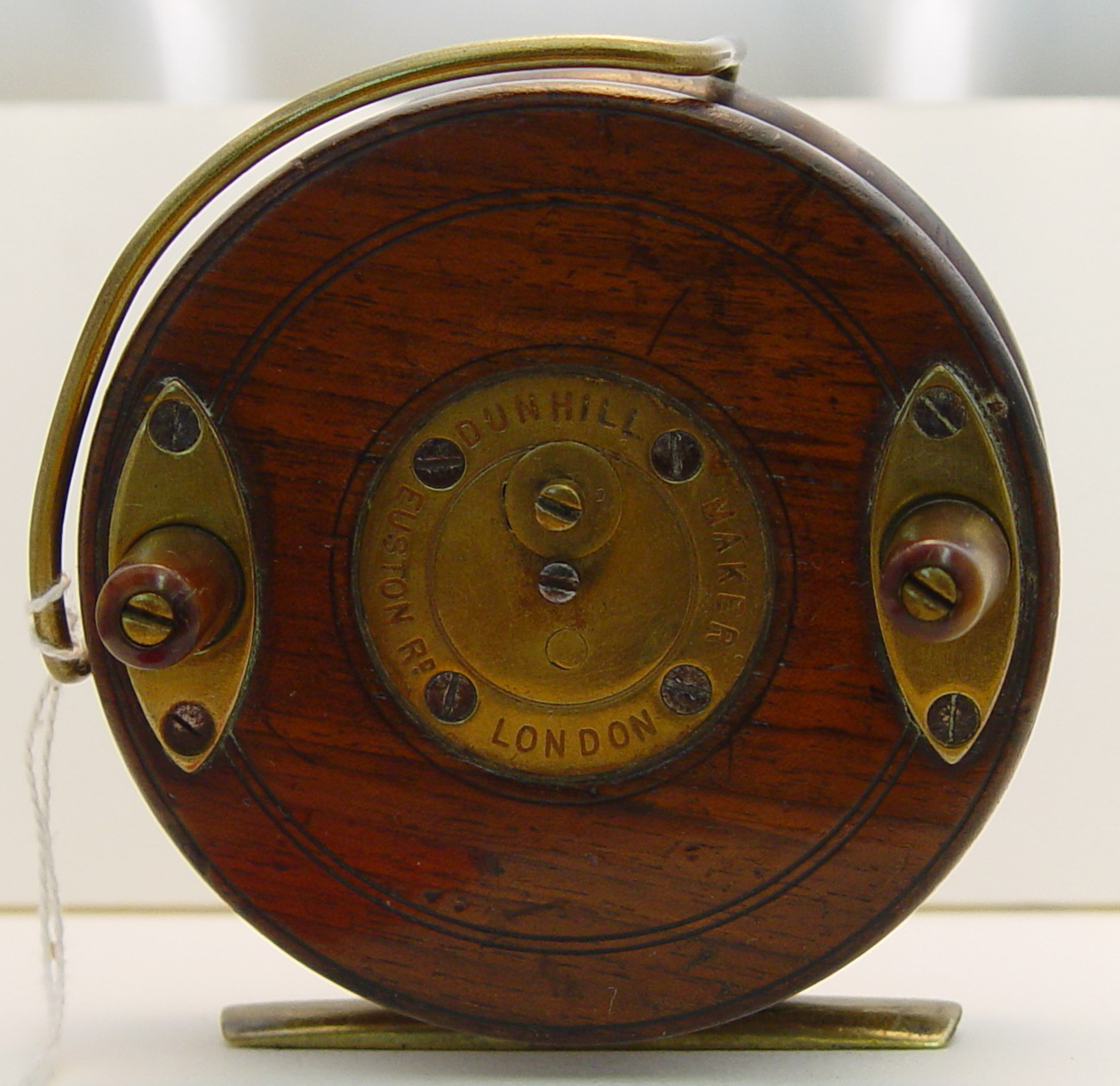
Nottingham-style reels are typically light, free-running, wooden reels designed for river fishing. They resemble fly reels, and some were used for fly fishing, but the majority were used for bait fishing. The free-running nature of these reels enabled baited float tackle to drift in the current without any drag. This walnut and brass reel from the famous pipemaking firm founded by Alfred Dunhill is a refined example with line guard, quick spool release, and twin horn knobs mounted on willow leaf brass collets.

The American Museum of Fly Fishing Collection
Gift of Frederic A. Sharf


Yearc. 1910Accession No.1986.028.217Made byDunhill

You May Also Like

Hendryx Competitor

The Andrew B. Hendryx Company was one of the largest manufacturers of fishing reels in its day; by 1897, the Hendryx catalog listed 175 sizes and…

Early Brass Hardy Perfect Trout Reel

Arguably the most popular trout reel in the world, the Hardy Perfect has remained in the Hardy lineup for more than 130 years. First offered in…

Seamaster Dual-Mode Saltwater Fly Reel

Among saltwater fly anglers, the reels built by Bob McChristian are regarded as some of the best ever made. Seamaster reels feature a hard anodized…

Ready For More?

If you love fly fishing as much as we do, you're going to love this.


PLAN A TRIP

Visit, fish, explore & more

VISIT

DROP A LINE

We are happy to hear from you

CONNECT

COME TO EVENTS

Check out the latest events

EVENTS
© 2026 American Museum of Fly Fishing. All rights reserved